
China Property Continues To Free Fall! Lessons for Singapore & Malaysia Property Investors!
SINGAPORE BLOGSINGAPORE FINANCE NEWS
7/12/20265 min read
As the Chinese property market continues its alarming descent, the implications stretch far beyond its borders. The ongoing collapse, which has persisted for over five years, has not only decimated the wealth of countless Chinese households but has also triggered a ripple effect that could serve as a cautionary tale for property investors in Singapore and Malaysia. In this blog post, we will delve into the current state of the Chinese property market, the lessons it holds for investors in Singapore and Malaysia, and the broader economic ramifications of this crisis.
The Current State of the Chinese Property Market
The Chinese property market is in a state of freefall, with recent reports indicating that 88 out of 100 major cities are experiencing month-on-month price declines. This marks the 35th consecutive month of year-on-year price drops, with prices now plummeting to levels not seen since 2010. The statistics are staggering:
Property prices have fallen by 40-50% from their peak.
New property sales have dropped from 1.8 billion m² in 2021 to below 1 billion m².
Approximately 18 trillion dollars of household wealth has been wiped out.
70% of household wealth in China is tied to property, making this collapse particularly devastating.
As a result, consumer spending has plummeted, with retail growth dropping from 10% in 2010 to just 2% today. The economic landscape is further complicated by high unemployment rates, which are estimated to be around 17%, leading to a phenomenon known as "involution" (内卷), where businesses engage in price wars to attract dwindling consumer demand.
Lessons for Singapore and Malaysia Property Investors
The situation in China serves as a stark reminder of the dangers of allowing property prices to outpace economic fundamentals. Here are some key lessons that investors in Singapore and Malaysia should take to heart:
1. The Importance of Economic Fundamentals
Property prices must grow in alignment with economic indicators such as income levels, employment rates, and overall economic growth. When property prices run ahead of these fundamentals, it creates an unsustainable bubble that is bound to burst.
2. The Risks of Over-Concentration in Property
Many investors in Singapore and Malaysia have a tendency to concentrate their wealth in property. This can be a risky strategy, especially in volatile markets. Diversifying investments across different asset classes can mitigate risks and protect against significant losses.
3. The Role of Government Intervention
In Singapore, the government has taken proactive measures to cool the property market, including tightening lending regulations and increasing Additional Buyer’s Stamp Duty (ABSD) for second properties and foreign buyers. These measures have helped to prevent a property bubble from forming. In contrast, the Chinese government acted too late, allowing the bubble to burst and leading to a prolonged period of economic stagnation.
4. The Impact of Speculation
Speculation can drive property prices to unsustainable levels. In China, the speculative fervor surrounding property investment has led to a significant oversupply of unsold inventory. Investors in Singapore and Malaysia should be wary of speculative trends and focus on long-term value rather than short-term gains.
The Spillover Effects of the Chinese Property Collapse
The collapse of the Chinese property market has far-reaching consequences that extend beyond the real estate sector. Here are some of the key spillover effects:
Declining Consumer Confidence: As household wealth diminishes, consumer spending declines, leading to a slowdown in economic growth.
Impact on Local Governments: With property developers defaulting on loans, local governments face budget shortfalls, which can hinder public services and infrastructure development.
Global Economic Implications: The Chinese economy is a significant player in the global market. A slowdown in China can have ripple effects on economies worldwide, affecting trade and investment flows.
Comparing Singapore's Response to the Crisis
While China has struggled to manage its property crisis, Singapore has taken a more disciplined approach. The Singapore government implemented a series of cooling measures over the past four years, which have successfully brought property prices back to more sustainable levels without triggering a crash. Key strategies include:
Implementing stricter lending criteria to prevent over-leveraging.
Increasing ABSD to discourage speculative buying.
Releasing more land for development to increase supply and stabilize prices.
These measures have helped to maintain a more balanced property market, ensuring that prices remain in line with economic fundamentals.
The Situation in Johor Bahru
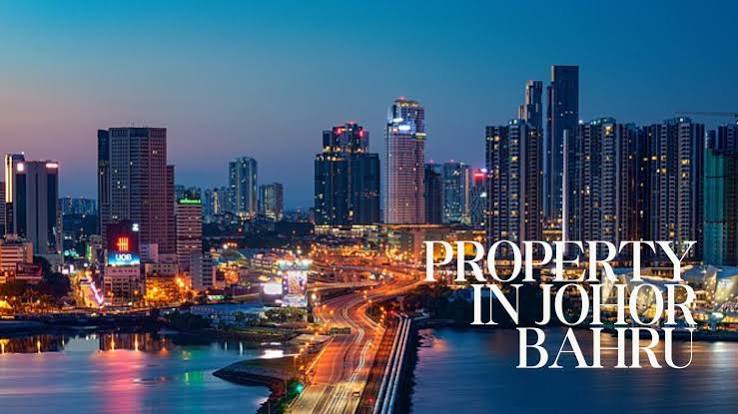
Johor Bahru (JB) is currently experiencing a surge in property prices, driven by the RTS Link and the Johor-Singapore Special Economic Zone (JS-SEZ). However, this rapid escalation raises concerns about a potential property bubble similar to what has occurred in China. Key points to consider include:
Rapid price increases of 20-30% in certain property segments.
Signs of oversupply, with many new developments remaining largely unoccupied.
The need for government intervention to prevent speculative buying and ensure sustainable growth.
Investors in JB should remain vigilant and consider the lessons learned from the Chinese property market to avoid falling into the same traps.
What Should Investors Do?
For individual investors, the key takeaway is to approach property investment with caution. Here are some actionable strategies:
Diversify Your Portfolio: Avoid over-concentration in any single asset class, including property. Aim to have no more than 20% of your wealth tied up in one investment.
Focus on Fundamentals: Invest in properties that are backed by strong economic fundamentals, such as job growth and population increases.
Stay Informed: Keep abreast of market trends and government policies that may impact property values.
Be Cautious of Speculation: Avoid jumping into the market during periods of euphoria. Wait for signs of stability before making significant investments.
Conclusion
The ongoing collapse of the Chinese property market serves as a stark reminder of the dangers of allowing property prices to outpace economic fundamentals. For investors in Singapore and Malaysia, the lessons learned from this crisis are invaluable. By focusing on economic fundamentals, diversifying investments, and remaining vigilant against speculation, investors can protect their wealth and navigate the complexities of the property market more effectively.
As we move forward, it is crucial to remember that property is primarily a shelter, not merely an investment. By adopting a disciplined approach to property investment, we can safeguard our financial futures and avoid the pitfalls that have befallen many in the Chinese market.
Let us know your thoughts on the current property landscape and how you plan to navigate these challenges. Stay informed, stay disciplined, and happy investing!
To read about money - https://powerwithmoney.com/
To read about Singapore Finance News : https://powerwithmoney.com/singapore-finance-news
To read business book summaries - https://powerwithmoney.com/business-book-summaries
To read primary school compositions: https://sgessays.com/singapore-primary-school-compositions
To read secondary school essays: https://sgessays.com/singapore-secondary-school-essays
To read general papers essays: https://sgessays.com/general-paper-essays
To read tips on improving compositions/essays :https://sgessays.com/tips-to-improve-esssays-compositions
To read sample of letters,emails and reports (Situational Writing) - https://sgessays.com/situational-writing
To visit our main website : https://sgessays.com/
PSLE themed compositions - https://sgessays.com/100-theme-based-compositions
PSLE Continuous writing Compositions - https://sgessays.com/continuous-writing-compositions-examples
PSLE Situational writing - https://sgessays.com/situational-writing-compositions-examples
PSLE Listening comprehension - https://sgessays.com/primary-6-psle-listening-comprehension
PSLE Oral examination - https://sgessays.com/psle-english-oral-examinations
Secondary School Narrative essays - https://sgessays.com/narrative-essays
Secondary School Exposition essays https://sgessays.com/expository-essays
Secondary School Argumentative essays- https://sgessays.com/argumentative-essays
Secondary School Reflective essays - https://sgessays.com/reflective-essays
Secondary School Descriptive Essays https://sgessays.com/descriptive-essays
Junior College General Papers - https://sgessays.com/general-paper-essays
To read thrilling and bone chilling ghost stories visit : https://asiaghosts.com/
To read ghost stories related to houses/HDB: https://asiaghosts.com/house/
To read ghost stories related to school: https://asiaghosts.com/schools/
To read stories related to strange incidents : https://asiaghosts.com/strange-incidents/
To download free exam papers - https://singaporeexampapers.com/
To download free kids movies - https://www.singaporeexampapers.com/kids-movies
To download summary notes for english,math and science subjects - https://www.singaporeexampapers.com/subject-based-summary-notes
To download worksheets and resources for relief classes - https://www.singaporeexampapers.com/relief-teacher-worksheets-and-resources
To download topic based papers - https://www.singaporeexampapers.com/topic-based-practice-papers
To download subject based crossword puzzles - https://www.singaporeexampapers.com/subject-based-crossword-puzzles
To read tips and advice for Singapore exams - https://www.singaporeexampapers.com/tips-and-advice
To practice various subjects quizzes - https://www.singaporeexampapers.com/quizzes