
The Total Money Makeover by Dave Ramsey - A Summary
Dave Ramsey lays out a no-nonsense plan for escaping debt, building an emergency fund, and replacing financial stress with disciplined, step-by-step control of your money.
BUSINESS BOOK SUMMARIES
7/1/20265 min read
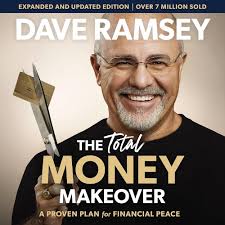
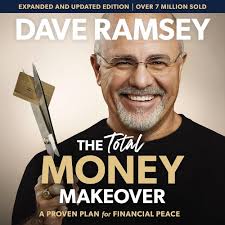
THE TOTAL MONEY MAKEOVER
Author: Dave Ramsey
The Big Idea in 30 Seconds
Dave Ramsey is a personal finance author, radio host, and founder of Ramsey Solutions who teaches a debt-free approach to managing money.
In The Total Money Makeover, the central idea is that financial progress depends more on behavior than complex math. The plan is to build a small emergency fund, eliminate debt, create a stronger cash reserve, invest steadily, and build wealth over time.
The book’s argument is direct: stop trying to manage debt more cleverly and start removing it. A simple sequence of clear steps can reduce financial stress and make each future decision easier.
The Insight in Plain English
You don’t need a perfect financial strategy before you begin. You need a clear order of operations.
Many people try to save, invest, pay off debt, upgrade their lifestyle, and handle emergencies at the same time. Because their money is divided across too many goals, progress feels slow and unexpected expenses keep pushing them backward.
The book recommends focusing on one major financial priority at a time. That approach may not produce the best result on a spreadsheet in every case, but it creates visible progress, strengthens discipline, and makes the plan easier to follow.
Core Concepts / Frameworks / Examples
Start with a small emergency fund.
Before attacking debt, the plan calls for setting aside a starter emergency fund. This creates a buffer for car repairs, medical bills, and other surprises so every unexpected expense doesn’t go back on a credit card.
Use the debt snowball.
List non-mortgage debts from smallest balance to largest, make minimum payments on all of them, and direct extra money toward the smallest. After one debt is gone, roll that payment into the next. The method values momentum and behavior over saving the most interest possible.
Build a full emergency reserve.
After consumer debt is gone, save enough to cover three to six months of expenses. This turns many financial emergencies into manageable problems and reduces the need to borrow when income falls or costs rise.
Follow the Baby Steps in order.
The book’s seven-step plan moves from a starter emergency fund and debt payoff to a full reserve, retirement investing, college savings, mortgage payoff, and long-term wealth building. The sequence keeps attention on the current priority instead of spreading money too thin.
A written budget gives every dollar a job.
The plan treats budgeting as a decision made before money is spent. Income is assigned to bills, savings, debt, and other priorities in advance, which makes tradeoffs visible and reduces unplanned spending.
How to Apply This to Your Business
Start by separating personal and business money. Use different bank accounts, cards, budgets, and records.
When the two are mixed together, it becomes harder to understand whether the company is profitable or simply being supported by personal funds and borrowed money.
Next, build a starter business reserve. Set aside enough to cover common surprises such as equipment repairs, delayed customer payments, software renewals, or a short sales slowdown. The right amount will vary, but even a modest reserve can prevent a small problem from becoming new debt.
Create a complete debt list. Record every business loan, credit card, line of credit, equipment balance, interest rate, minimum payment, and payoff amount. You can’t choose a repayment plan clearly until you can see the whole picture.
Choose a debt repayment method and use it consistently. The debt snowball starts with the smallest balance to create quick wins. A mathematically focused company may prefer paying the highest-interest balance first. The larger lesson is to stop scattering extra payments and direct available cash toward one balance at a time.
Protect minimum operating needs while reducing debt. A business shouldn’t send every available dollar to lenders and leave itself unable to make payroll, deliver customer work, or cover taxes. Define the cash needed for stable operations, then use true excess cash for debt reduction.
Build a larger operating reserve after high-risk debt is under control. Consider how long the business could survive if sales fell, a major customer left, or payments arrived late. A stronger reserve gives leaders time to make thoughtful decisions instead of reacting from panic.
Use a zero-based budget for the company. Before each month or quarter begins, assign expected revenue to payroll, taxes, operating costs, debt payments, reserves, investment, and owner compensation. This makes spending choices visible before the money disappears.
Review recurring expenses closely. Cancel tools nobody uses, renegotiate costly contracts, remove duplicate services, and question purchases that don’t support customers, employees, compliance, or growth. Cost control works best when it removes waste without damaging the company’s ability to perform.
Avoid using debt to hide a weak business model. Borrowing can be useful in some situations, but it shouldn’t cover ongoing losses without a clear correction plan. If the company needs fresh debt every month to survive, leaders need to examine pricing, margins, demand, staffing, and fixed costs.
Create separate funds for predictable expenses. Taxes, annual insurance bills, equipment replacement, legal costs, and seasonal slowdowns aren’t true emergencies when they can be expected. Save for them gradually so they don’t disrupt normal operations.
Pay the owner through a clear system. Random withdrawals make business planning difficult and can create personal financial stress. Set a reasonable compensation policy based on cash flow, profitability, taxes, and the company’s need for reserves.
Track a small set of numbers every week. Monitor cash on hand, receivables, upcoming bills, debt balances, sales, and operating margin. Frequent review helps leaders catch problems while they’re still manageable.
Celebrate progress without increasing spending too quickly. Paying off a loan or reaching a revenue goal doesn’t automatically mean the company needs new offices, vehicles, software, or staff. Let improved cash flow strengthen the balance sheet before raising fixed costs.
Finally, make financial discipline part of normal management. Review the budget, reserve, debt plan, and cash forecast regularly. A financial makeover isn’t one dramatic decision. It’s a series of repeated choices that gradually create more control.
To read about money - https://powerwithmoney.com/
To read business book summaries - https://powerwithmoney.com/business-book-summaries
To read primary school compositions: https://sgessays.com/singapore-primary-school-compositions
To read secondary school essays: https://sgessays.com/singapore-secondary-school-essays
To read general papers essays: https://sgessays.com/general-paper-essays
To read tips on improving compositions/essays :https://sgessays.com/tips-to-improve-esssays-compositions
To read sample of letters,emails and reports (Situational Writing) - https://sgessays.com/situational-writing
To visit our main website : https://sgessays.com/
PSLE themed compositions - https://sgessays.com/100-theme-based-compositions
PSLE Continuous writing Compositions - https://sgessays.com/continuous-writing-compositions-examples
PSLE Situational writing - https://sgessays.com/situational-writing-compositions-examples
PSLE Listening comprehension - https://sgessays.com/primary-6-psle-listening-comprehension
PSLE Oral examination - https://sgessays.com/psle-english-oral-examinations
Secondary School Narrative essays - https://sgessays.com/narrative-essays
Secondary School Exposition essays https://sgessays.com/expository-essays
Secondary School Argumentative essays- https://sgessays.com/argumentative-essays
Secondary School Reflective essays - https://sgessays.com/reflective-essays
Secondary School Descriptive Essays https://sgessays.com/descriptive-essays
Junior College General Papers - https://sgessays.com/general-paper-essays
To read thrilling and bone chilling ghost stories visit : https://asiaghosts.com/
To read ghost stories related to houses/HDB: https://asiaghosts.com/house/
To read ghost stories related to school: https://asiaghosts.com/schools/
To read stories related to strange incidents : https://asiaghosts.com/strange-incidents/
To download free exam papers - https://singaporeexampapers.com/
To download free kids movies - https://www.singaporeexampapers.com/kids-movies
To download summary notes for english,math and science subjects - https://www.singaporeexampapers.com/subject-based-summary-notes
To download worksheets and resources for relief classes - https://www.singaporeexampapers.com/relief-teacher-worksheets-and-resources
To download topic based papers - https://www.singaporeexampapers.com/topic-based-practice-papers
To download subject based crossword puzzles - https://www.singaporeexampapers.com/subject-based-crossword-puzzles
To read tips and advice for Singapore exams - https://www.singaporeexampapers.com/tips-and-advice
To practice various subjects quizzes - https://www.singaporeexampapers.com/quizzes